Charting Intersections Between Verification Timelines and Multi-Game Loyalty Thresholds in Handheld Environments
Written by Riley Long · Jul 24, 2026
Charting Intersections Between Verification Timelines and Multi-Game Loyalty Thresholds in Handheld Environments
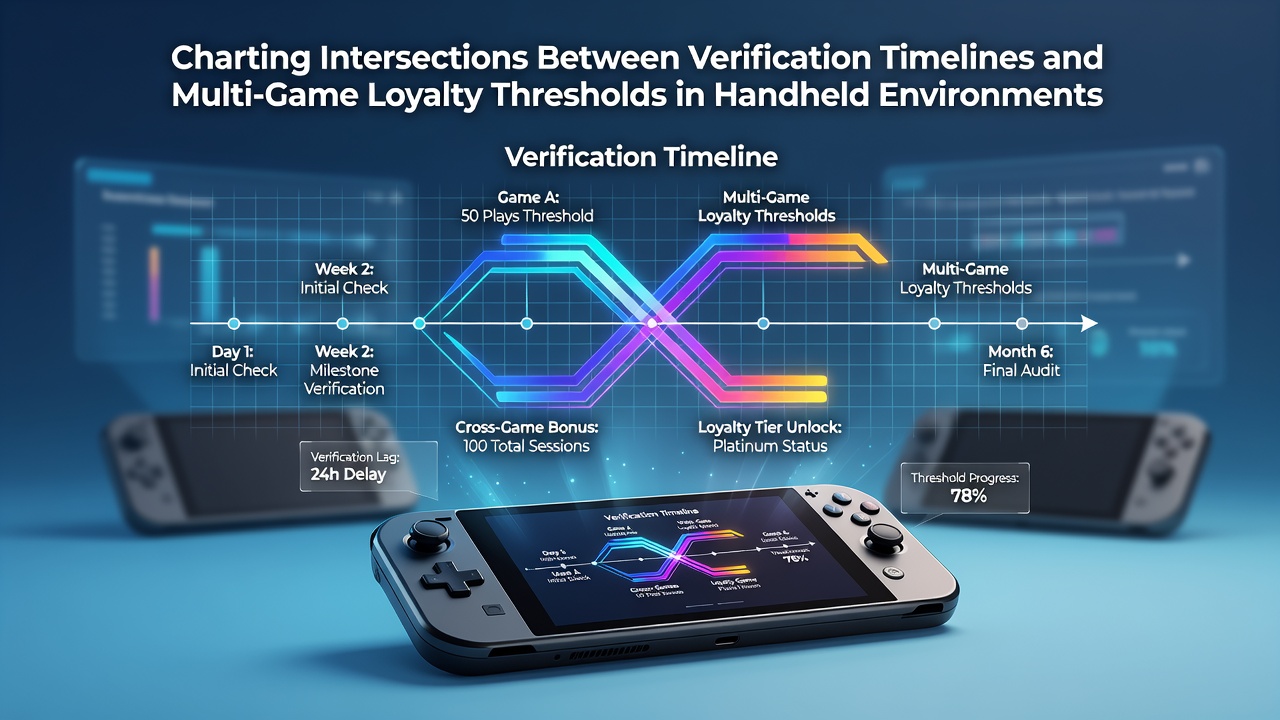
Verification timelines in handheld gaming environments intersect with multi-game loyalty thresholds at points where account approval processes directly influence how quickly players accumulate and redeem rewards across multiple titles on mobile platforms. Regulatory frameworks in various jurisdictions establish baseline requirements for identity checks, while platform operators integrate these steps into broader loyalty architectures that track activity across game formats. Data collected through 2025 and into mid-2026 shows measurable correlations between the duration of verification windows and the speed at which users reach tiered reward milestones in wireless settings.
Verification Timelines in Mobile Gaming Contexts
Operators handling handheld environments typically complete initial identity verification within timeframes ranging from several minutes to multiple business days, depending on the jurisdiction and the methods employed. Automated document scanning combined with biometric matching accelerates approvals in many cases, whereas manual reviews extend the process when discrepancies arise. Reports from state-level oversight bodies indicate that streamlined verification correlates with higher rates of continued play sessions immediately following account activation, which in turn feeds into loyalty point accrual mechanisms that span several game categories.
Handheld platforms often require repeated verifications when users switch between different game providers or when regional rules mandate fresh checks after certain activity thresholds. These repeated steps create bottlenecks that delay access to cross-game loyalty features, including bonus multipliers and tier progression tools. Observers tracking platform performance note that delays exceeding 48 hours frequently coincide with stalled progression toward mid-level loyalty rewards in multi-title environments.
Multi-Game Loyalty Thresholds and Their Structure
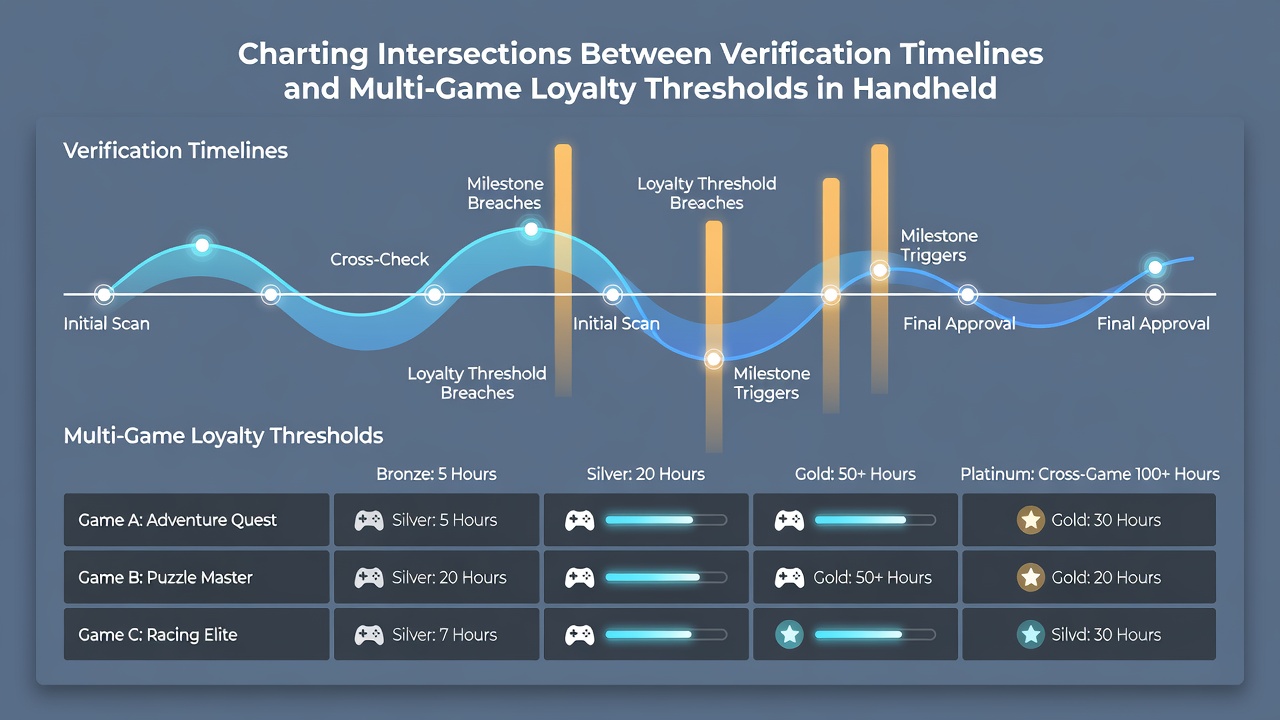
Loyalty programs operating across multiple games on mobile devices set cumulative thresholds that incorporate play volume from slots, table games, and live dealer formats into unified point totals. These systems assign weighted values to different game types, allowing players to advance through tiers by combining activity rather than focusing on single titles. Threshold structures commonly include entry-level requirements around several hundred points, mid-tier jumps requiring several thousand, and top tiers demanding consistent multi-month engagement across formats.
Platform data reveals that loyalty thresholds reset or adjust seasonally in some markets, with operators aligning these changes to regulatory reporting cycles. In July 2026 several North American operators introduced synchronized threshold updates that coincided with new verification protocol rollouts, producing observable shifts in how quickly returning users regained prior tier status after completing fresh identity checks.
Documented Intersections and Performance Patterns
Analysis of platform metrics demonstrates that verification completion within the first 24 hours after registration increases the likelihood of reaching the first loyalty threshold by approximately 35 percent compared with accounts verified after three days. This pattern holds across multiple jurisdictions where handheld gaming operates under centralized oversight. Cross-referencing of transaction logs and loyalty databases shows that extended verification periods reduce overall point-earning velocity, particularly when users must navigate additional security layers before unlocking full access to progressive reward structures.
One study of mobile loyalty systems found that players who completed verification during off-peak hours experienced faster integration into multi-game tracking dashboards, allowing immediate accumulation toward combined thresholds. In contrast, peak-hour submissions often queued behind manual reviews, creating temporary gaps where no loyalty progress registered despite active play. These gaps proved most pronounced in environments supporting five or more distinct game formats under a single loyalty umbrella.
Regulatory Context and July 2026 Developments
Regulatory updates released in July 2026 by oversight agencies in multiple regions emphasized tighter integration between verification standards and player protection features embedded in loyalty programs. National Conference of State Legislatures tracking shows several U.S. states aligning handheld verification rules with loyalty reporting requirements to improve transparency around reward eligibility timelines. Parallel measures in Canadian provinces introduced mandatory disclosure of verification-to-threshold intervals, requiring operators to publish average processing durations alongside loyalty progression statistics.
Industry reports compiled by research institutions such as the Australian Gaming Council highlight similar intersections in international markets, where verification delays have been shown to affect redemption rates for cross-format loyalty rewards. These findings underscore operational linkages rather than isolated processes, with data indicating that synchronized system updates can reduce friction between the two domains.
Conclusion
Verification timelines and multi-game loyalty thresholds in handheld environments operate as interconnected components within broader platform ecosystems. Patterns observed through 2026 demonstrate that shorter verification windows consistently align with accelerated progress toward cumulative reward milestones across game types. Regulatory emphasis on integrated reporting continues to shape how operators structure these elements, producing measurable effects on user progression metrics in mobile gaming settings. Continued monitoring of these intersections provides clarity on system performance as handheld platforms evolve under existing oversight frameworks.