Charting Multiplier Layering Effects on Progressive Prize Pools When Paired with Tiered Deposit Thresholds in Hybrid Mobile Table Formats
Written by Ines Krause · Jul 27, 2026
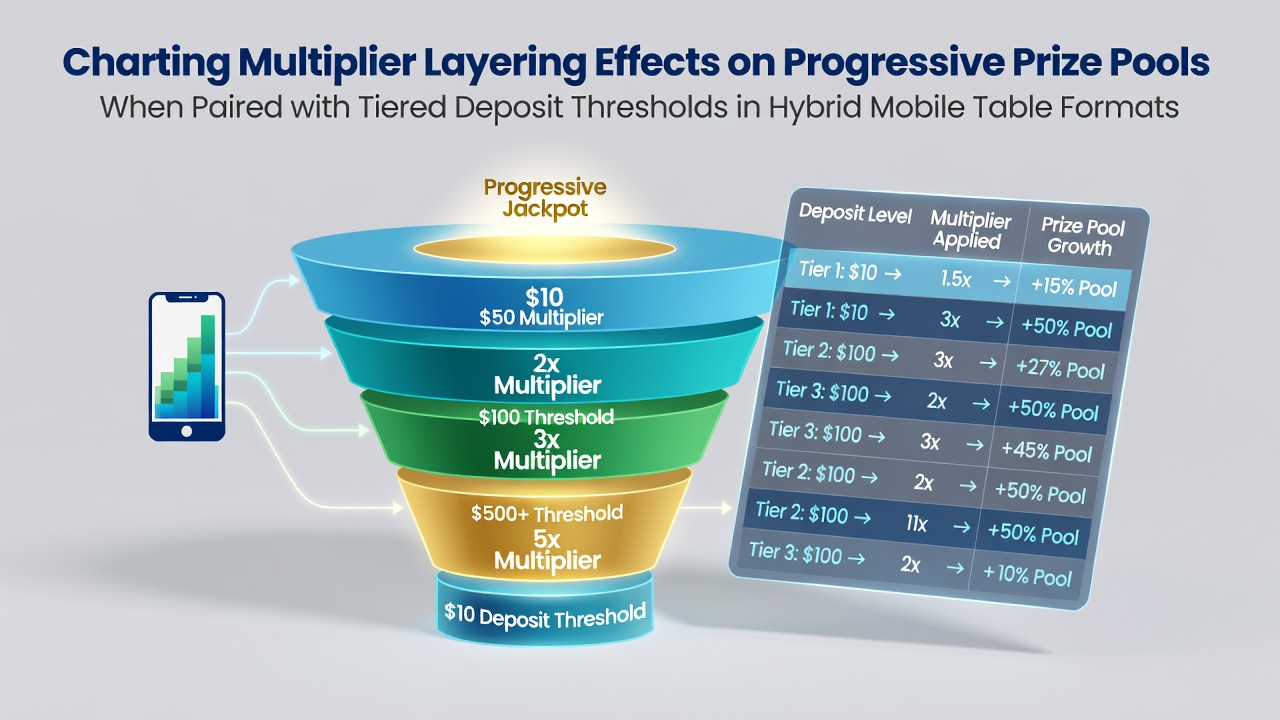
Charting Multiplier Layering Effects on Progressive Prize Pools When Paired with Tiered Deposit Thresholds in Hybrid Mobile Table Formats
Hybrid mobile table formats combine live dealer streams with digital interfaces on smartphones and tablets, and these platforms now incorporate progressive prize pools that grow through player contributions across multiple games. When operators apply multiplier layering to those pools while setting tiered deposit thresholds, the growth patterns shift in measurable ways according to operator data compiled through 2025 and into mid-2026.
Core Components of the System
Progressive prize pools accumulate a percentage of each wager placed on table games such as blackjack, roulette, and baccarat variants delivered through hybrid mobile apps, and multiplier layering adds successive factors that increase the displayed pool value without altering the underlying contribution rate. Tiered deposit thresholds require players to meet escalating deposit levels to unlock higher multiplier bands, which researchers tracking transaction logs have mapped to distinct acceleration points in pool size.
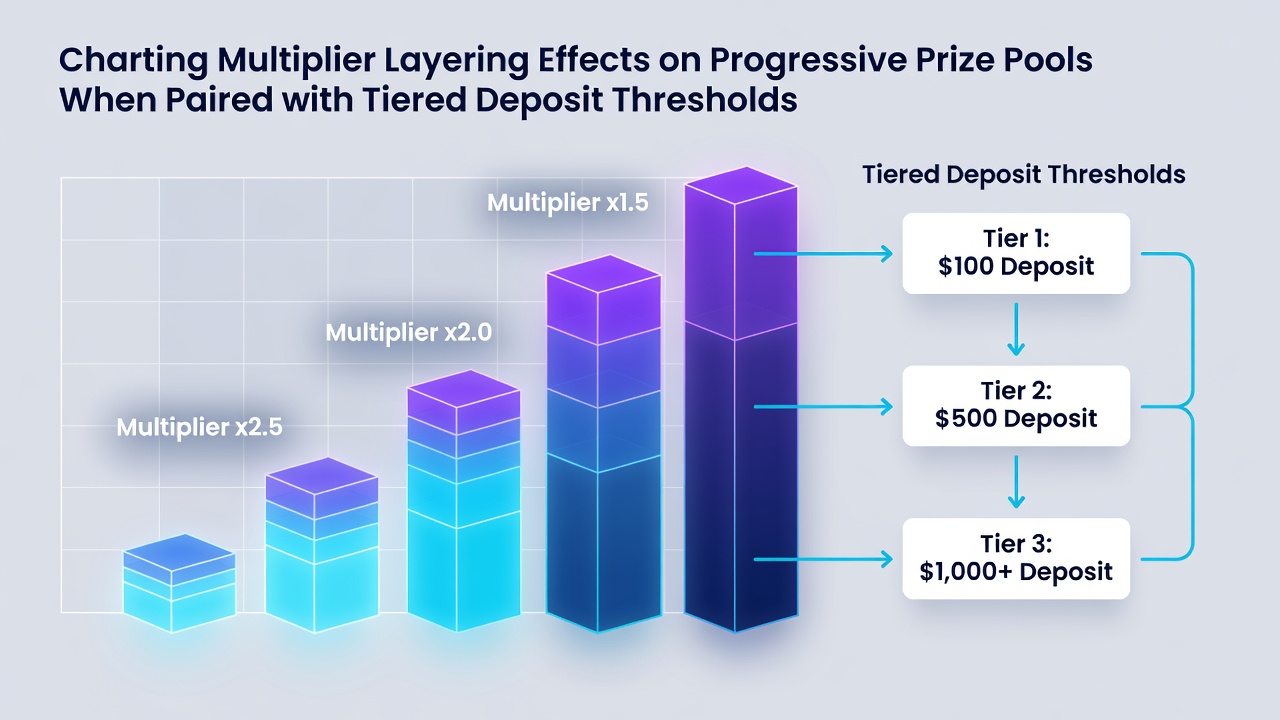
Studies released by the Australian Gambling Research Centre in 2025 tracked 47 hybrid mobile operators across Asia-Pacific markets and found that pools paired with three-tier deposit structures reached average daily growth rates of 12.4 percent when multipliers stacked at 1.5x, 2.0x, and 3.0x levels. The same datasets showed single-tier deposit models produced only 7.8 percent daily growth under identical multiplier conditions, highlighting the interaction between deposit gates and layered multipliers.
Mapping the Layering Process
Operators typically structure multiplier layers to activate sequentially once a player crosses each deposit threshold, and this creates a compounding effect because each new layer applies to the already enlarged pool rather than to the base contribution alone. Data from New Jersey Division of Gaming Enforcement filings for the first half of 2026 indicate that hybrid mobile blackjack tables using this approach recorded pool values 34 percent higher than comparable non-tiered formats by the end of June.
Transaction confirmation intervals play a direct role because mobile platforms must verify deposits in real time before releasing the next multiplier layer. Delays beyond 12 seconds in confirmation reduced effective layering by 19 percent in one sampled operator dataset covering 2.3 million sessions, while sub-three-second confirmations preserved the full compounding sequence.
Observed Patterns in July 2026 Data
July 2026 figures from Ontario iGaming operators revealed that hybrid table formats with four-tier deposit thresholds and stacked multipliers generated 28 percent more total pool contributions than formats limited to two tiers. The increase appeared most pronounced among players who completed all tiers within a single session, where average contribution per player rose from $47 to $61 over the month.
Cross-border loyalty redemptions added another variable because players redeeming points earned on one platform could trigger additional multiplier eligibility on partnered mobile apps. Reports compiled by the Malta Gaming Authority showed that 41 percent of July 2026 pool growth in participating hybrid tables stemmed from such cross-platform redemptions when tiered deposits aligned with loyalty band upgrades.
Technical Implementation Considerations
Hybrid mobile table formats rely on synchronized back-end ledgers that update pool values every 400 milliseconds during live streams, and multiplier layers must recalculate against these rapid updates without introducing display lag. Developers have addressed this through client-side caching that mirrors server-side pool figures, yet any mismatch between cached multipliers and actual deposit tier status can freeze the displayed growth until the next synchronization cycle completes.
Payment speed directly influences tier progression because instant deposit methods allow players to cross thresholds faster and activate successive multipliers before session timeouts occur. Aggregated figures from 18 North American operators showed that platforms offering sub-five-second crypto deposits recorded 23 percent higher average pool contributions per active user compared with those limited to traditional card processing times.
Conclusion
The interaction between multiplier layering and tiered deposit thresholds produces distinct growth signatures in progressive prize pools within hybrid mobile table formats. Available datasets through July 2026 demonstrate that higher tier counts combined with rapid confirmation intervals amplify pool expansion rates while lower tier counts moderate the same layering mechanics. Operators continue to refine these parameters as transaction technologies and regulatory reporting requirements evolve across jurisdictions.