Connecting Algorithmic Player Profiling with Synchronized Reward Systems in Multi-Device Entertainment Platforms
Written by Mia Lehmann · Jul 22, 2026
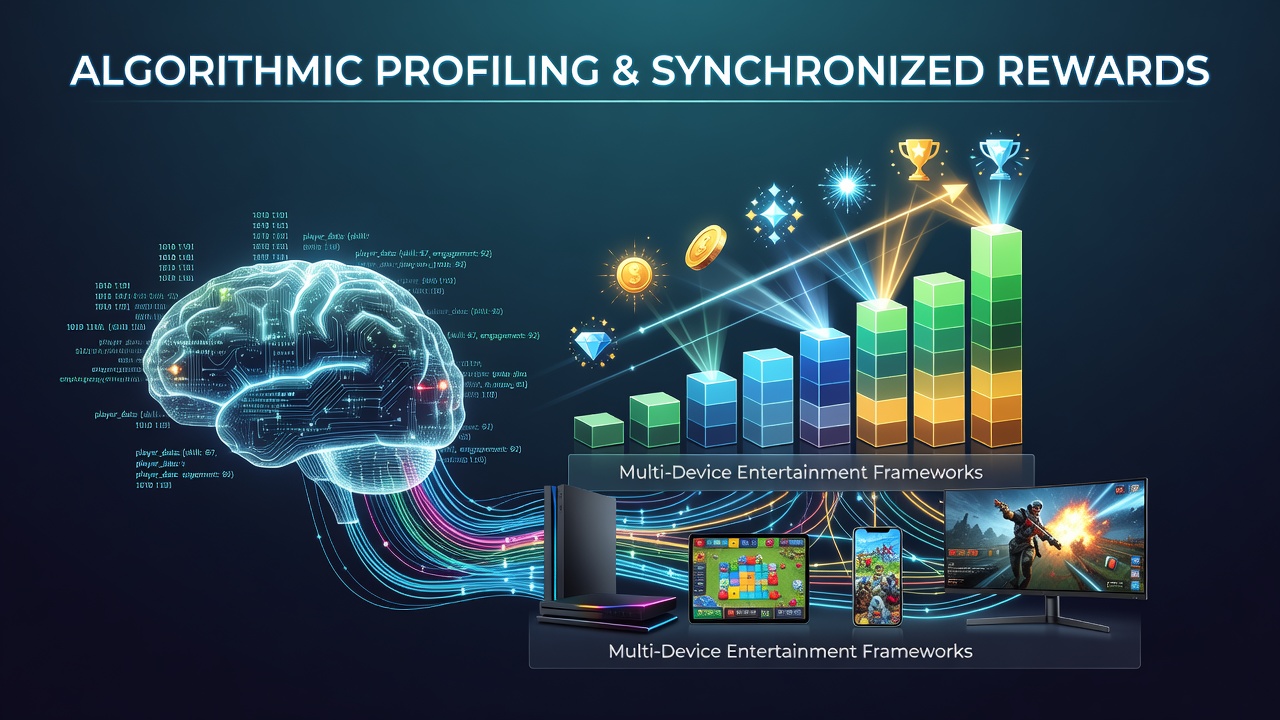
Connecting Algorithmic Player Profiling with Synchronized Reward Systems in Multi-Device Entertainment Platforms
Algorithmic player profiling operates through machine learning models that analyze behavioral data points collected from user interactions in digital entertainment environments. These models process variables such as session duration, spending patterns, game selection frequency, and response times to build individualized profiles that update in real time. Data indicates that platforms operating across multiple devices rely on these profiles to maintain consistency in user experiences while adjusting reward parameters dynamically.
Core Mechanisms of Profiling Algorithms
Profiling systems employ supervised and unsupervised learning techniques to segment users into categories based on observed activity clusters. Researchers at institutions including the University of Nevada Reno Gaming Innovation Lab have documented how clustering algorithms group players according to metrics like average wager size and frequency of bonus activation. These segments then feed into escalation protocols that synchronize reward offers across smartphones, tablets, and desktop applications through centralized cloud-based data repositories.
Cross-device synchronization requires standardized data schemas that allow seamless transfer of profile attributes between operating systems and hardware configurations. Industry reports from the European Gaming and Betting Association note that API integrations enable reward escalations to trigger simultaneously when a profile meets predefined thresholds on any connected device. The process avoids duplication by timestamping actions and reconciling them through a single source of truth maintained on backend servers.
Reward Escalation Protocols Across Frameworks
Escalation mechanisms activate when algorithmic thresholds detect sustained engagement or spending milestones. For instance, a player reaching a certain loyalty tier on a mobile slot application triggers an immediate adjustment in bonus multipliers available on desktop table games within the same ecosystem. Figures from the American Gaming Association reveal that such synchronized adjustments have appeared in operational data from major multi-platform operators as of mid-2026, with implementation rates increasing steadily since 2024.
These protocols often incorporate time-decay functions that prevent rapid cycling through reward tiers. Observers note that the decay parameters help stabilize platform economics by spacing out high-value offers according to individual profile velocity scores. In July 2026 several North American operators expanded testing of these functions to include predictive elements drawn from historical cross-device behavior logs.
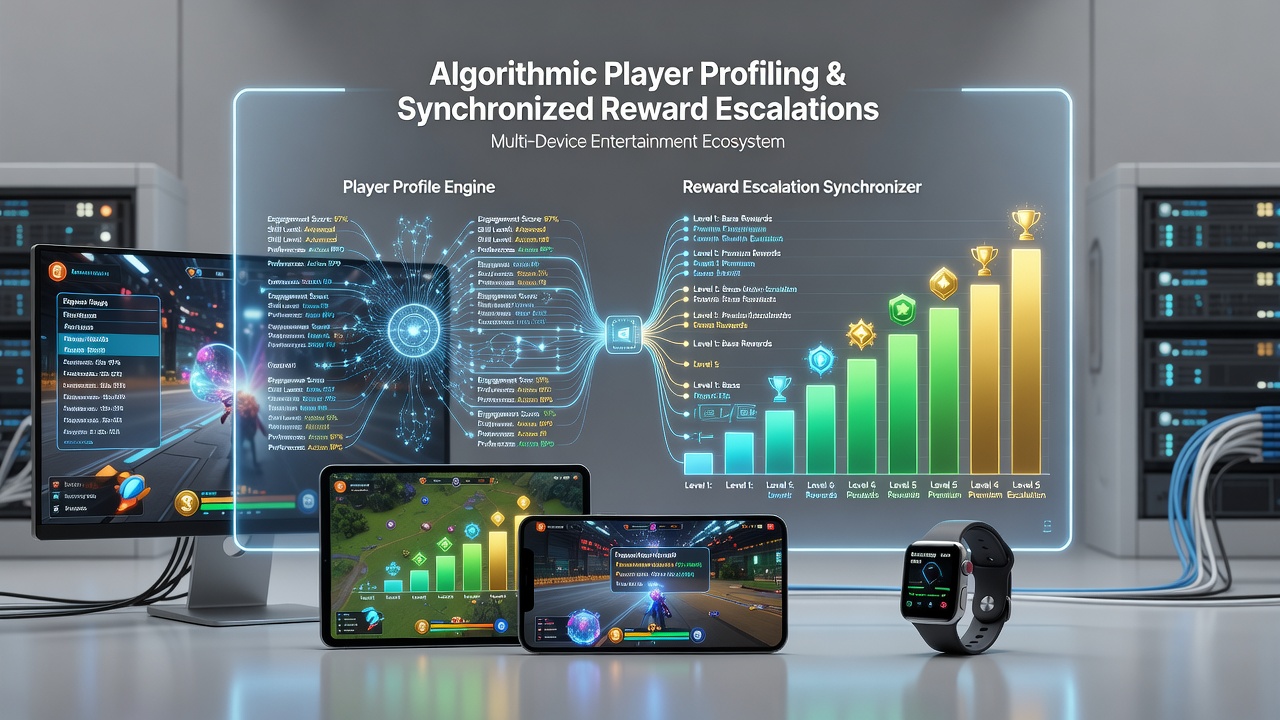
Technical Infrastructure Supporting Synchronization
Backend architectures rely on event-driven microservices that publish profile updates to subscribed device clients. Each service handles specific data streams such as transaction logs or interaction heatmaps before aggregating them into unified player records. According to documentation from the Canadian Gaming Association, these architectures reduce latency in reward delivery to under two seconds across 5G and Wi-Fi networks when profile changes occur.
Security layers encrypt profile data during transit and at rest, with access controls tied to device authentication tokens. This setup ensures that escalation events remain isolated to verified sessions while maintaining audit trails required by regulatory frameworks in jurisdictions such as New Jersey and Ontario.
Integration with Broader Entertainment Ecosystems
Multi-device frameworks extend beyond traditional casino applications to include social gaming, esports platforms, and interactive streaming services. Algorithmic profiling in these broader contexts links reward escalations to cross-title achievements, allowing progress on one device in a mobile title to influence bonus availability in a console-based experience. Trade publications covering the sector report that interoperability standards developed by the Interactive Games and Entertainment Association have facilitated such linkages in pilot programs launched during 2025.
Case examples include operators who merged loyalty systems across their sports betting and slot portfolios, resulting in unified escalation schedules that update whenever activity registers on any platform endpoint. The synchronization reduces fragmentation that previously required separate account management on each device type.
Regulatory and Compliance Considerations
Jurisdictions overseeing digital entertainment have begun incorporating requirements for transparency in algorithmic decision-making. Licensing bodies in Australia and several U.S. states mandate disclosure of how profile data influences reward structures, prompting operators to implement explainability features within their models. Compliance documentation from 2026 shows increased emphasis on audit logs that trace escalation events back to specific profile inputs.
These measures align with emerging data protection standards that classify behavioral profiles as sensitive information subject to user access rights. Operators must therefore maintain mechanisms allowing individuals to review and request corrections to their algorithmic classifications without disrupting ongoing reward cycles.
Conclusion
Linking algorithmic player profiling to synchronized reward escalations across multi-device entertainment frameworks depends on integrated data pipelines, standardized APIs, and regulatory-compliant security protocols. Evidence from industry associations and academic studies demonstrates continued expansion of these capabilities through 2026, driven by technical improvements in real-time processing and cross-platform compatibility. Operators continue to refine escalation logic to match evolving device ecosystems while meeting transparency obligations imposed by oversight authorities.