Cross-Border Transaction Protocols and Their Influence on Tiered Reward Systems in Mobile Gambling Applications
Written by Ines Richter · Sep 18, 2026
Cross-Border Transaction Protocols and Their Influence on Tiered Reward Systems in Mobile Gambling Applications
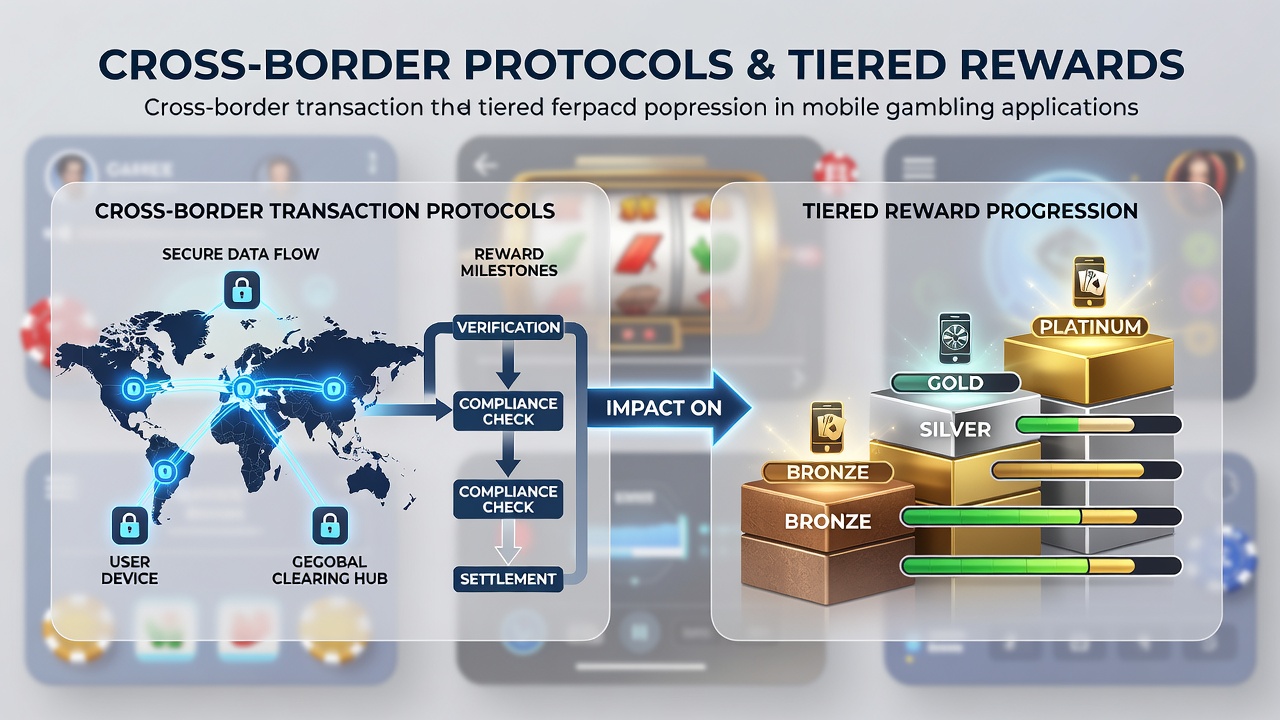
Cross-border transaction protocols govern how funds move between users and operators across national boundaries in mobile gambling applications, and these systems directly shape the speed and eligibility criteria for tiered reward progression. Data from payment service providers shows that protocols incorporating real-time settlement and multi-currency conversion reduce processing delays from days to seconds in many cases, which in turn allows loyalty points to accrue without the lags that once stalled advancement through bronze, silver, and gold levels. Observers note that when a protocol aligns with standards such as ISO 20022 for messaging, transaction records update faster in backend databases, enabling operators to calculate spend thresholds for higher tiers on the same day the deposit clears.
Protocol Standards and Mobile Platform Integration
Protocols built around frameworks like the European Payments Initiative and similar regional systems require operators to embed compliance checks for anti-money laundering and know-your-customer rules at the point of transaction. Those checks run in parallel with reward engines so that a player completing a cross-border deposit in September 2026 saw their activity reflected in tier metrics almost immediately, according to figures released by the European Central Bank on instant payment adoption. In contrast, legacy wire-based systems still used in some jurisdictions introduce holds of 24 to 72 hours, and those holds push reward calculations into the following reporting cycle, effectively delaying tier upgrades for users who rely on international funding sources.
Impact on Loyalty Point Accumulation
Tiered reward progression in mobile gambling applications typically hinges on tracked deposit volume, wagering activity, and account tenure, yet cross-border protocols add an extra layer of verification that can either accelerate or impede these metrics. When a protocol supports tokenized card credentials and open banking connections, operators record the transaction as verified within minutes, allowing the system to credit loyalty points that count toward the next reward bracket. Research indicates that platforms integrating such protocols observed a measurable uptick in users reaching higher tiers within the same month, because the absence of manual review steps removed a common bottleneck. But here's the thing: protocols that route funds through intermediary correspondent banks often trigger additional compliance flags, and those flags force operators to pause point allocation until documentation clears, which can stretch across multiple days and interrupt steady progression for frequent cross-border players.
Regional Variations in Protocol Adoption
Operators serving users in the Asia-Pacific region have leaned on protocols developed under the ASEAN Payments Policy Framework, which emphasizes faster cross-border rails between member states. Those rails permit mobile gambling applications to process deposits from Singapore or Malaysia into Australian-facing platforms with same-day confirmation, adn the resulting data flows feed directly into tier algorithms without the multi-day reconciliation once required. In North America, state-level regulations in places like New Jersey and Pennsylvania interact with federal guidelines on international transfers, creating a patchwork where some protocols clear instantly while others route through domestic processors first. One study from the University of Nevada, Las Vegas gaming research unit revealed that apps using unified protocols across borders recorded 18 percent faster tier advancement for international users compared with those limited to domestic rails.
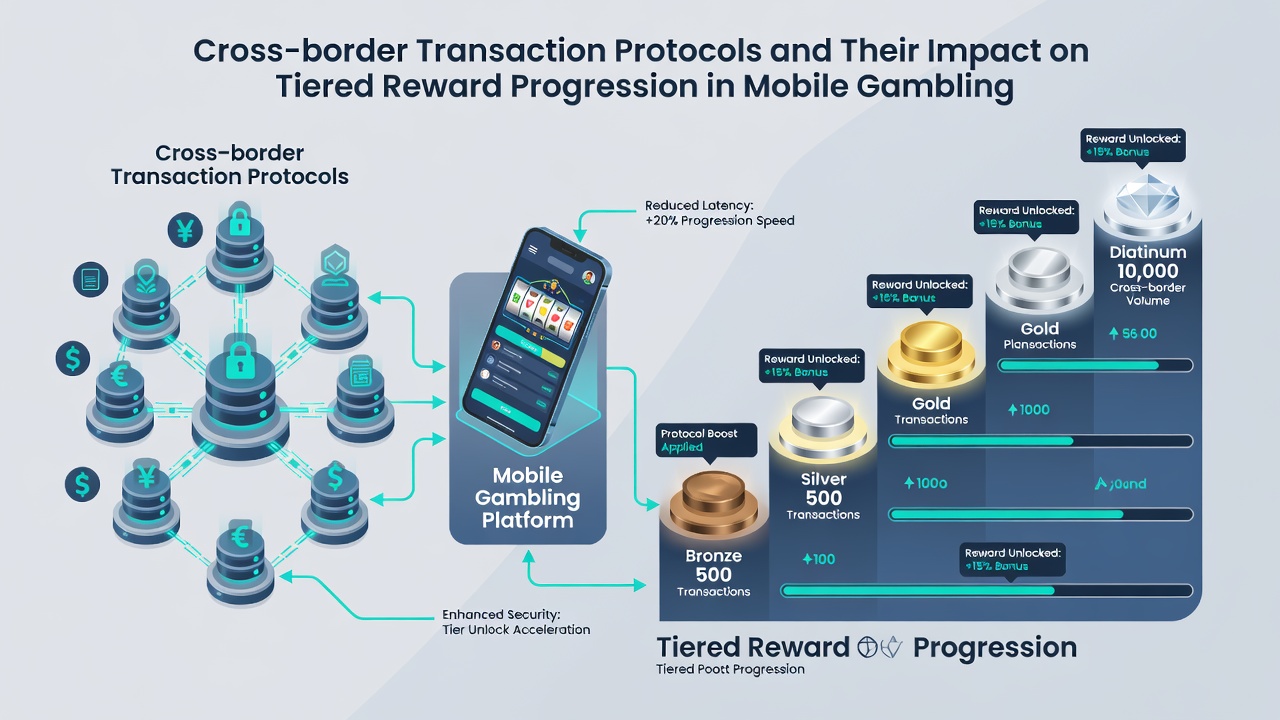
What's interesting is how these protocol differences affect bonus structures attached to each tier. Higher tiers often unlock personalized reload bonuses and cashback percentages calculated on recent deposits, so any delay in transaction confirmation cascades into delayed bonus eligibility. Data shows that when protocols include automated currency conversion with transparent fee disclosure, operators can apply the converted amount to tier thresholds without manual adjustment, keeping reward cycles aligned with user activity. In September 2026 several major platforms reported that adoption of updated SWIFT gpi standards had shortened average confirmation intervals from 48 hours to under four, which translated into more players qualifying for quarterly tier reviews on schedule.
Security Layers and Reward Verification
Security requirements embedded in cross-border protocols, including dynamic authentication and fraud scoring, run alongside reward tracking modules. When a transaction passes these layers without flags, the system logs it as eligible for loyalty credit and advances the user’s progression meter accordingly. Yet transactions that require secondary review because of geographic risk scoring experience temporary holds, and those holds prevent the activity from counting toward the current period’s tier calculation. Industry reports from the Canadian Gaming Association highlight that operators who maintain separate queues for high-risk cross-border traffic still see tier advancement rates lag behind domestic-only cohorts by measurable margins each quarter.
Future Protocol Developments
Emerging standards around central bank digital currencies and programmable payments promise further compression of confirmation windows, which could standardize tier progression timelines across borders. Observers tracking pilot programs note that once these newer protocols reach wider deployment, mobile gambling applications may eliminate the remaining manual reconciliation steps that currently separate cross-border users from seamless reward access. Until then, the interplay between protocol choice and reward engine design continues to determine how quickly players move through loyalty levels when funds originate outside the operator’s primary jurisdiction.
Conclusion
Cross-border transaction protocols remain a foundational element that dictates both the reliability and timing of tiered reward progression in mobile gambling applications. As payment rails evolve and regulatory frameworks adapt, the direct link between transaction confirmation speed and loyalty tier eligibility will shape operational priorities for years ahead.