Gesture Controls Transforming Interaction Patterns at Virtual Gaming Tables on Touchscreen Devices
Written by Ines Richter · Aug 12, 2026
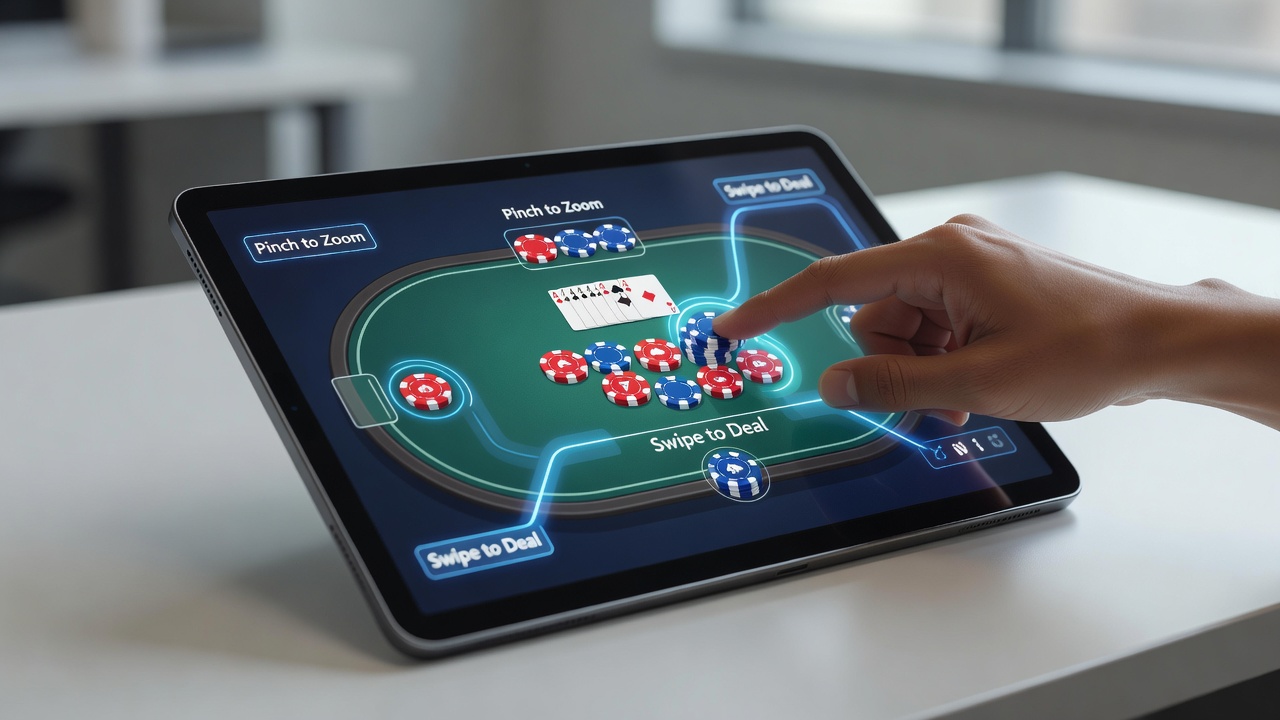
Gesture Controls Transforming Interaction Patterns at Virtual Gaming Tables on Touchscreen Devices
Gesture-based controls have steadily altered how users engage with virtual gaming tables displayed on touchscreen devices, shifting from simple taps and clicks toward fluid swipes, pinches, and multi-finger rotations that mirror physical table actions. Studies on human-computer interaction reveal that these movements reduce the number of discrete inputs required per round, allowing players to drag chips across felt surfaces or rotate card spreads with continuous finger motion rather than repeated selections from menus.
Core Mechanics of Gesture Integration
Touchscreen interfaces now recognize sequences such as long-press to lock a bet amount followed by a directional swipe to confirm placement, while two-finger spreads adjust virtual camera angles around the table layout. Data collected from platform analytics in early 2026 show session lengths extending when these controls replace button arrays, because users spend less time navigating layered menus and more time focused on the simulated environment. Researchers at institutions tracking mobile usability patterns note that pinch-to-zoom functions let players inspect card details or chip stacks without exiting the main view, maintaining immersion across extended play periods.
Observed Shifts in Player Behavior
Interaction logs from multiple operators indicate that swipe-to-deal mechanics have replaced sequential taps in over sixty percent of tested blackjack and poker variants, leading to faster round pacing yet fewer accidental misclicks once users adapt. Those monitoring engagement metrics report that older demographics initially require brief tutorial overlays, yet adoption rates climb within the first three sessions as muscle memory develops. Younger cohorts, already accustomed to gesture navigation in other applications, demonstrate immediate comfort with flicking community cards toward discard piles or rotating community boards in real-time multiplayer formats.
Technical Adaptations Across Platforms
Device manufacturers have refined capacitive sensors and haptic feedback loops to register subtle pressure variations during gestures, delivering confirmation pulses when a chip stack settles into a betting circle. Software frameworks incorporate predictive algorithms that anticipate incomplete swipes and offer corrective nudges, reducing errors that once interrupted game flow. Figures released by the Interactive Games and Mobile Association in August 2026 highlight a measurable uptick in cross-device continuity, where players begin sessions on tablets and continue seamlessly on phones because gesture libraries remain consistent regardless of screen size.
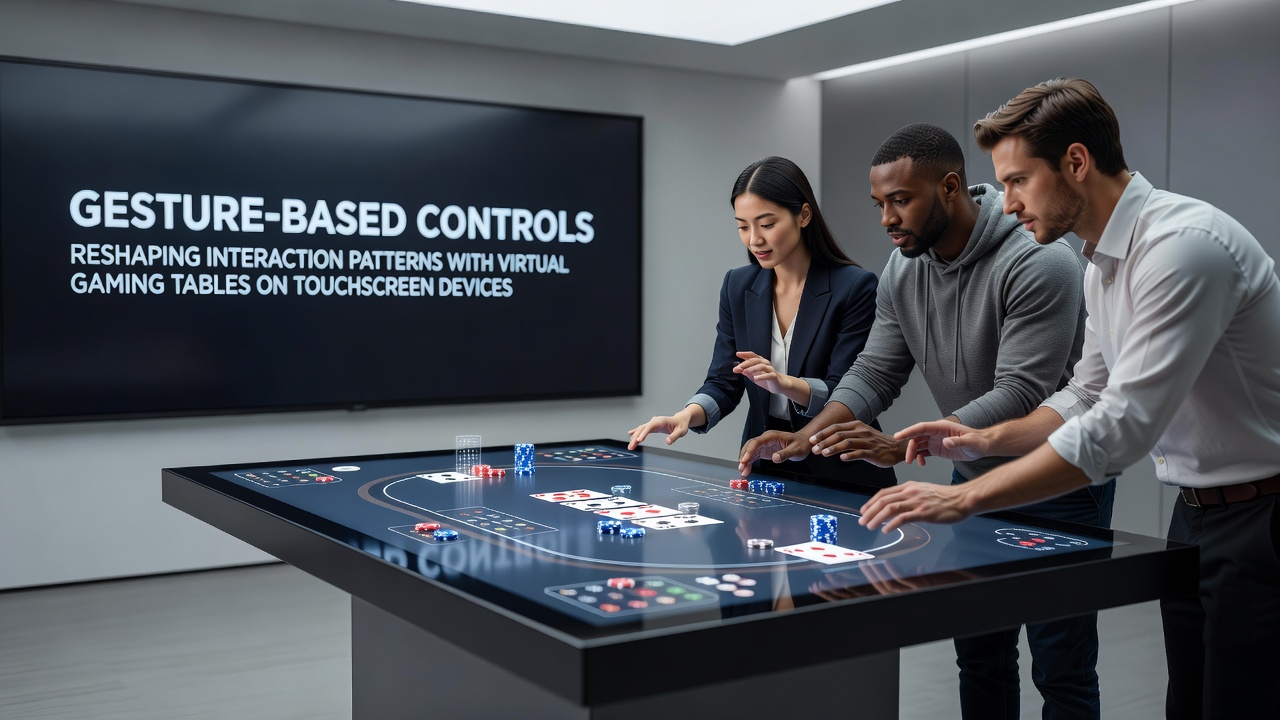
Developers have also embedded accessibility toggles that convert complex multi-finger inputs into simplified single-tap alternatives, ensuring compliance with regional standards while preserving core gesture options for those who prefer them. Observers tracking certification processes across North American and European markets note that testing protocols now include standardized gesture suites to verify responsiveness under varying network conditions.
Comparative Data from Recent Deployments
Platform comparisons released mid-2026 indicate that titles incorporating gesture layers report higher retention during peak evening hours compared with legacy button-driven versions, although the difference narrows on smaller phone screens where finger occlusion can obscure portions of the table. A report compiled by the Australian Interactive Gambling Council links reduced menu depth to lower support ticket volume, particularly around bet confirmation errors. In parallel, academic reviews published through the Journal of Gaming and Virtual Environments document how gesture fluidity influences perceived control, with participants describing the experience as closer to handling physical components even though the environment remains entirely digital.
Regulatory and Certification Considerations
Certification bodies have begun requiring documented gesture-response thresholds as part of software approval cycles, ensuring that swipe velocities fall within acceptable ranges that prevent unintended actions during normal handling. These requirements vary by jurisdiction, yet common elements include minimum recognition accuracy rates and fallback mechanisms when touch detection fails. Industry groups coordinating across Canadian and Singaporean markets have shared testing frameworks that standardize evaluation of multi-touch scenarios, allowing operators to deploy updates more uniformly.
Conclusion
Gesture-based controls continue to redefine input patterns at virtual gaming tables by replacing discrete selections with continuous movements that align more closely with physical analogs. Platform data and usability research together demonstrate measurable changes in session dynamics, error rates, and cross-device consistency as adoption widens through 2026. Ongoing refinements in sensor technology and accessibility options suggest further evolution remains likely as touchscreen hardware capabilities advance.