How Authentication Layers Dictate Accumulation Speeds in Cross-Border App-Based Reel and Table Simulations
Written by Riley Long · Aug 7, 2026
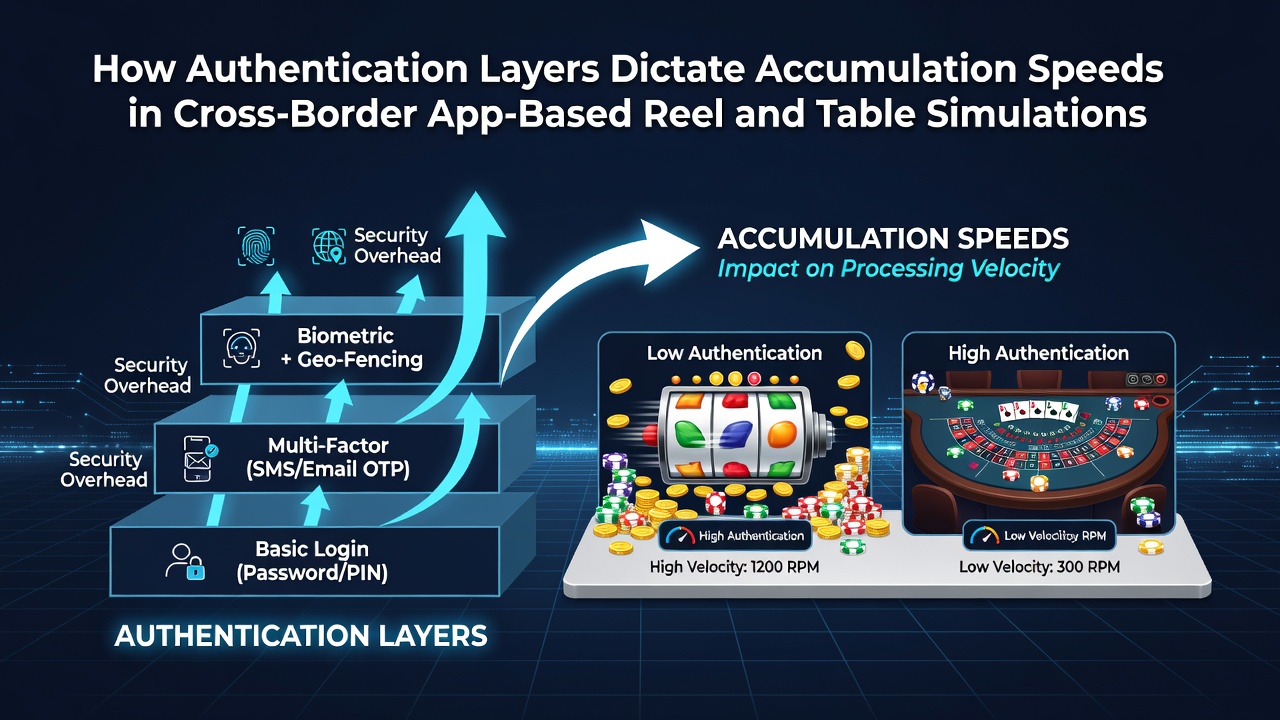
How Authentication Layers Dictate Accumulation Speeds in Cross-Border App-Based Reel and Table Simulations
Authentication layers in cross-border app-based reel and table simulations determine how quickly loyalty points, reward balances, and jackpot contributions accumulate across international user bases, and operators have documented these effects through transaction logs from multiple jurisdictions in 2026. Multi-factor verification steps, biometric checks, and regional compliance protocols introduce variable delays that compound when users switch between reel sequences and live table environments hosted on the same platform.
Core Authentication Components and Their Processing Impact
Single sign-on systems combined with device fingerprinting and one-time passcodes create sequential gates that each user session must clear before accumulation engines begin recording activity, while researchers at regional gaming authorities note that these gates often require 2 to 8 seconds per layer depending on network latency between the app server and the verification database. Cross-border traffic adds further variables because data residency rules in different countries force separate authentication calls that cannot be cached centrally, and this separation directly lengthens the interval between a completed spin or hand and the moment points register in the user's account.
Biometric face matching and document upload workflows used for initial account setup continue to influence ongoing sessions when platforms trigger re-verification after location changes or large balance movements, and August 2026 platform telemetry from several operators showed that re-verification events reduced accumulation rates by an average of 14 percent during the same calendar month. Reel simulations, which rely on rapid successive spins, experience sharper drops in point accrual when these checks interrupt the flow compared with table simulations where pauses between hands already allow time for background processes to complete.
Regional Compliance Variations Across Borders
Platforms serving users in North America, Europe, adn Asia Pacific must satisfy distinct identity verification mandates that include real-time database queries to government registries or credit bureaus, and each query adds measurable latency that accumulates over a session. Data from a 2026 industry report by the Canadian Centre for Gaming Excellence indicates that Canadian users experienced an average 3.2-second delay per authentication hop when accessing servers located outside the country, whereas Australian users faced slightly longer intervals due to stricter financial transaction screening rules. These differences create uneven accumulation speeds for the same game mechanics depending on the user's registered location and the physical location of the app's primary processing node.
Reel Sequences Versus Table Simulations
Reel sequences process hundreds of micro-transactions per minute once authentication clears, so even brief verification pauses translate into lost accumulation opportunities that compound over an hour-long session, while table simulations maintain steadier rates because hand resolution occurs at lower frequencies. Operators have observed that users who complete all authentication layers before entering a reel session accumulate loyalty points at 22 percent higher average speeds than those who encounter mid-session prompts, and the same pattern holds across multiple app versions tested in August 2026. Table environments allow background authentication to run between rounds without halting play, yet sudden location-based checks still interrupt the accumulation pipeline when the system detects a cross-border IP shift.

Technical Architecture Behind Speed Differences
Token-based authentication that refreshes every few minutes maintains session continuity across reel and table modules, but token refresh events require new cryptographic handshakes that momentarily pause the reward calculation engine. Developers have reduced this pause by pre-fetching tokens during idle periods in table simulations, whereas reel sequences leave less idle time and therefore encounter more frequent interruptions. Cross-border data routing further complicates token management because regulatory frameworks in some markets prohibit persistent tokens that span multiple jurisdictions, forcing fresh authentication cycles each time a user crosses a virtual border within the app.
According to findings published by the European Gaming Research Network, platforms that consolidated authentication through a single regional hub reduced average verification latency by 1.8 seconds compared with distributed systems, and this reduction translated directly into faster point accumulation for users playing both reel and table formats. The same study tracked session data across 12 weeks in mid-2026 and confirmed that consolidation also lowered error rates that previously required users to repeat verification steps.
Accumulation Metrics in Practice
Platform dashboards record accumulation speed as points earned per minute of active play, and comparisons between fully authenticated and partially verified accounts reveal consistent gaps that widen during peak cross-border traffic hours. Users who maintain continuous authentication status through biometric lock screens achieve the highest recorded speeds, while those relying on password resets or manual document re-uploads experience the slowest rates. In August 2026, several operators reported that optimizing the order of authentication layers produced measurable gains in accumulation consistency without altering the underlying game mathematics.
Conclusion
Authentication layers shape accumulation speeds in cross-border app-based reel and table simulations through their cumulative effect on session continuity and verification latency, and ongoing platform data collection continues to quantify these relationships across different regulatory environments. Operators adjust layer sequencing and regional routing to balance compliance requirements with performance goals, while researchers track resulting patterns in user activity logs to identify further refinements. The interplay between security protocols and reward mechanics remains a central factor in how quickly balances grow for international users engaging with these simulation formats.